
Why Calorie counting is a bad idea?
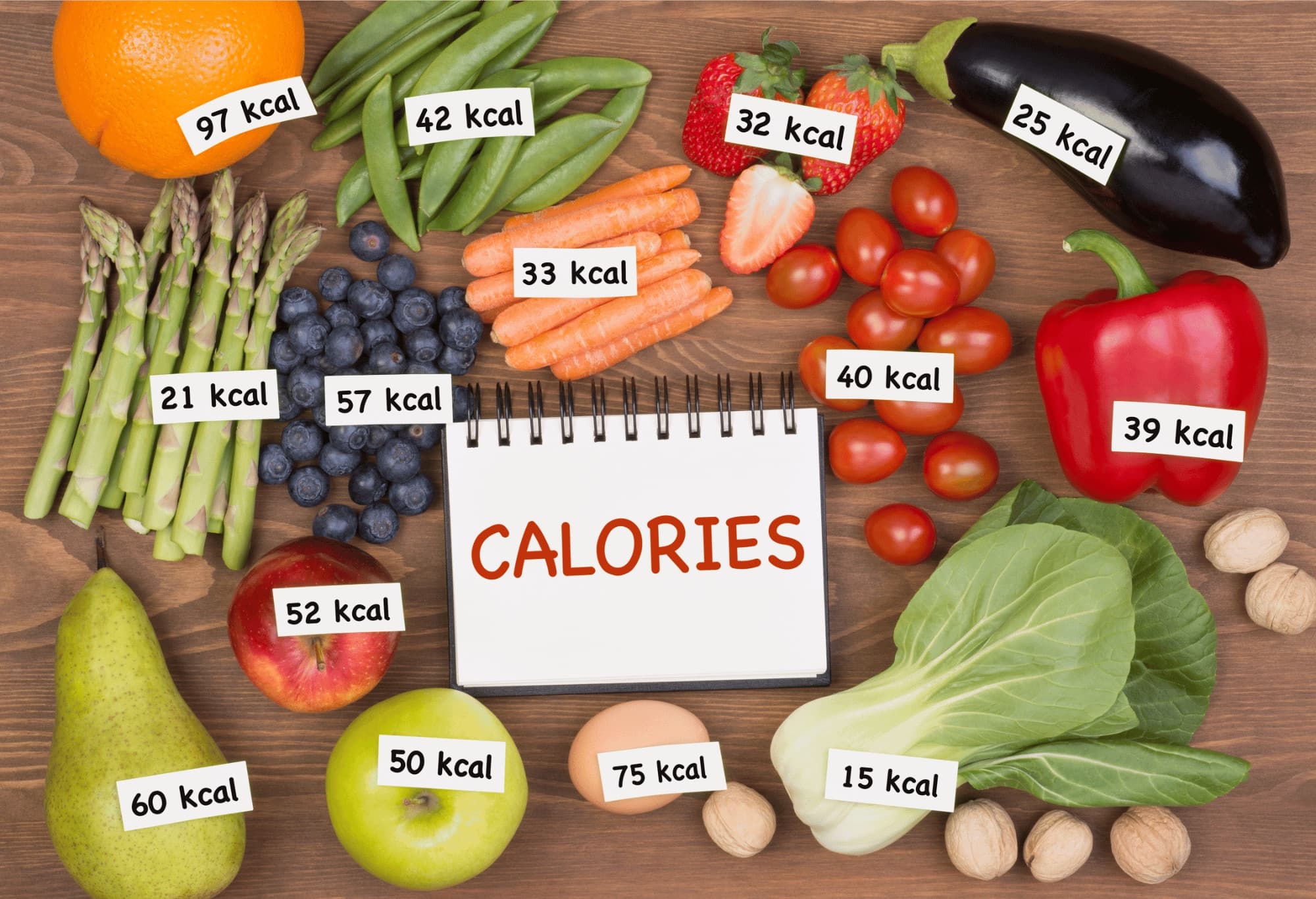
You are walking across the office hallway, and suddenly a colleague offers home-made sweets full of dry fruits. Here goes your mind into a frenzy of calculation to find out the total calories in that sweet. But, does everything that goes in your mouth needs to pass a calorie test first? How much truth and sanity are to the calorie cult? Let’s find out.
Counting calories, only mathematics
Upon counting calories, you are subjecting your diet and, ultimately, health to mathematics only. While focusing on calories, one tends to skip a lot of essential checkpoints. The most common source of calorie counts is the food labels, which only provide an idea about the average calorie count. You might be taking significantly higher or lower calories than suggested on the label. Higher calories compromise your health goals, while lower calories keep you hungry and push you into a vicious cycle of overeating. There are six different methods to estimate calories with a permissible error of plus/minus 20%.
All calories are not the same
Moreover, going by the label, when we take a scoop out of the peanut butter jar or measure a cup of beans, we often eyeball. And eyeballing seriously affects calorie intake. For example, you might think you are consuming fewer calories, but the spoonful mentioned on the label and what you measured might differ drastically. Just as a label might not be a gospel to swear by, the human body also does not absorb all the calories taken in a diet. While there is a scientific formula that helps determine the calories absorbed, yet it is not universal in nature.
For example, the calorie count for 1 ounce of almonds, as per a new method of measurement, is proposed to contain 128 calories instead of 170 calories often mentioned on the label. Additionally, the role of the gut microbiome has also been indicated to influence how your body processes calories. Even if you knew the microbial signature of your gut, we doubt you might know their processing capabilities as well.
Cooking changes the calories
Besides the processed and packaged food, we also buy raw ingredients. Humans discovered fire and began cooking the raw ingredients to enhance their taste. The process of cooking has thus become more sophisticated, and with it, the simple calorie counts also become complex. Cooking often increases the calories counts of the food being cooked. Not only cooking but the techniques of processing food before cooking such as chopping, grinding, or blending also influence the calorie count.
Focus on quality, not quantity
So, despite focusing on calorie count solely to guide your life, instead, take that sweet, your colleague was offering. It is because even FSSAI and research in nutrition emphasize on a wholesome diet which is balanced in healthy foods. Instead of quantity, science asks you to focus on the quality of the food you are consuming. You should prepare a plate of food which is rich in terms of color, freshness, and variety rather than something which fits your calorie counter. A classic example is, one can of cola containing 150 calories while a handful of nuts including 15 g hazelnuts, 30 g of walnuts, and 15 g of almonds contains approximately 500 calories. But we all know that nuts can do a lot better for your body than a can of cola.
Only restricting yourself to a calorie counter can harm health, especially women who can suffer from pregnancy-related issues. Consequently, lower calories are not always right, and higher calories do not always cause harm. In essence, you need to listen to your body, eat healthily, exercise regularly, and stop living life by the calculator.