
Milk Intake : Safe or Unsafe ?
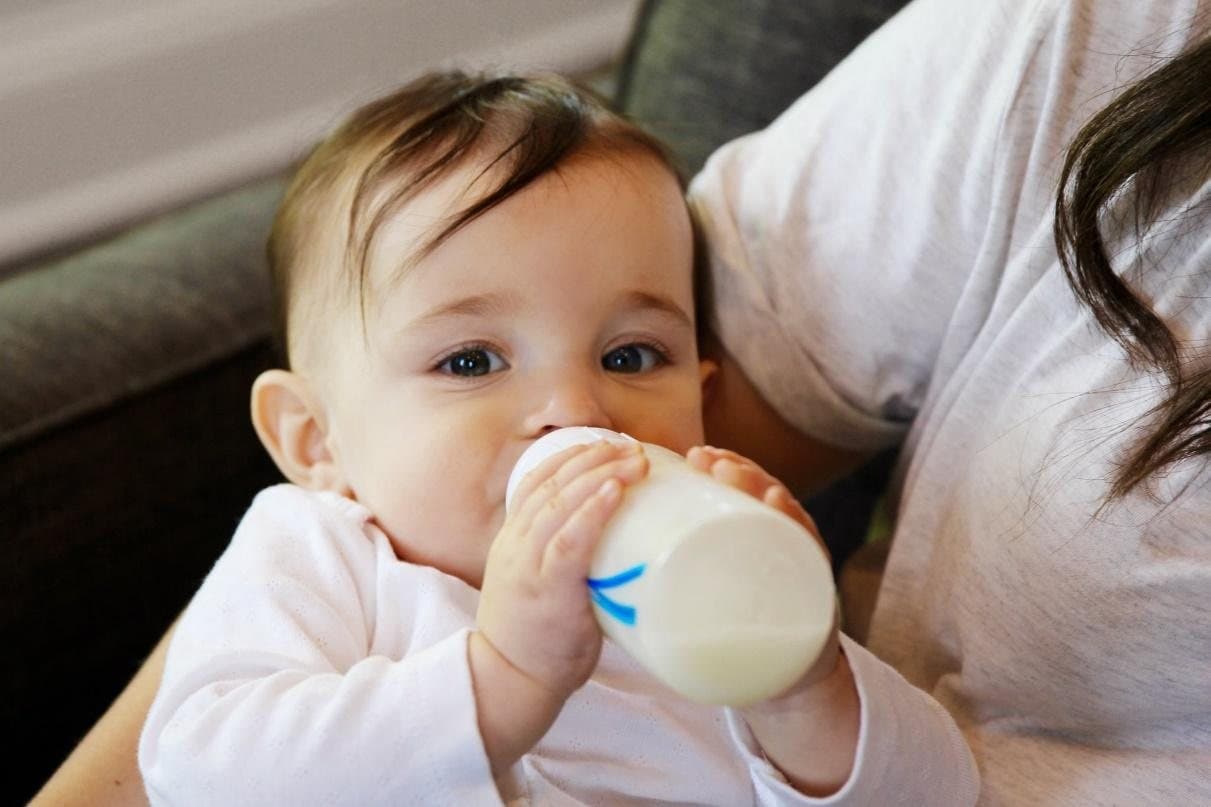
Milk consumption among the urban young population has been on the decline since the past few decades. There are various factors contributing to this phenomenon such as family food habits, taste aversion towards milk among children, peer influence to name a few. Another factor for this decline is the awareness of the fact that consuming commercially processed milk has resulted in prevalence of adverse gastrointestinal outcomes in children.
Table of Contents
- When does milk give your child GI trouble?
- The concept of A1 and A2 milk
- Comparison of nutritive analysis of various milk products
- The nutritional implications of excluding milk and milk products in the diet
- Healthier substitutes from other food groups
- Concluding remarks
When does milk give your child GI trouble?
Nowadays, commercially available milk have been found to provide GI discomfort to infants and children because of their adulteration with urea, oxytocin, antibiotics, steroids, preservatives (1). Oxytocin is injected to milch animals to increase milk production, but in return, adversely affecting the milk quality. Oxytocin is the main culprit to cause early puberty among young children and other hormonal, fertility disorders in their later reproductive years (2).
The concept of A1 and A2 milk
Markets today sell two types of milk which is A1 and A2 milk. These are determined by the type of beta casein protein they contain. The A1 milk contains a mutant genetic variant of beta casein which produces BCM7, a peptide responsible for most of the GI disorders, intolerances as well as Type 1 diabetes observed in infants and young children (3,6).
However, the A2 milk, which is produced by traditional Indian bred cows, do not have this variant form of the protein, hence they are healthy to consume and do not cause any adverse health effects (5,7).
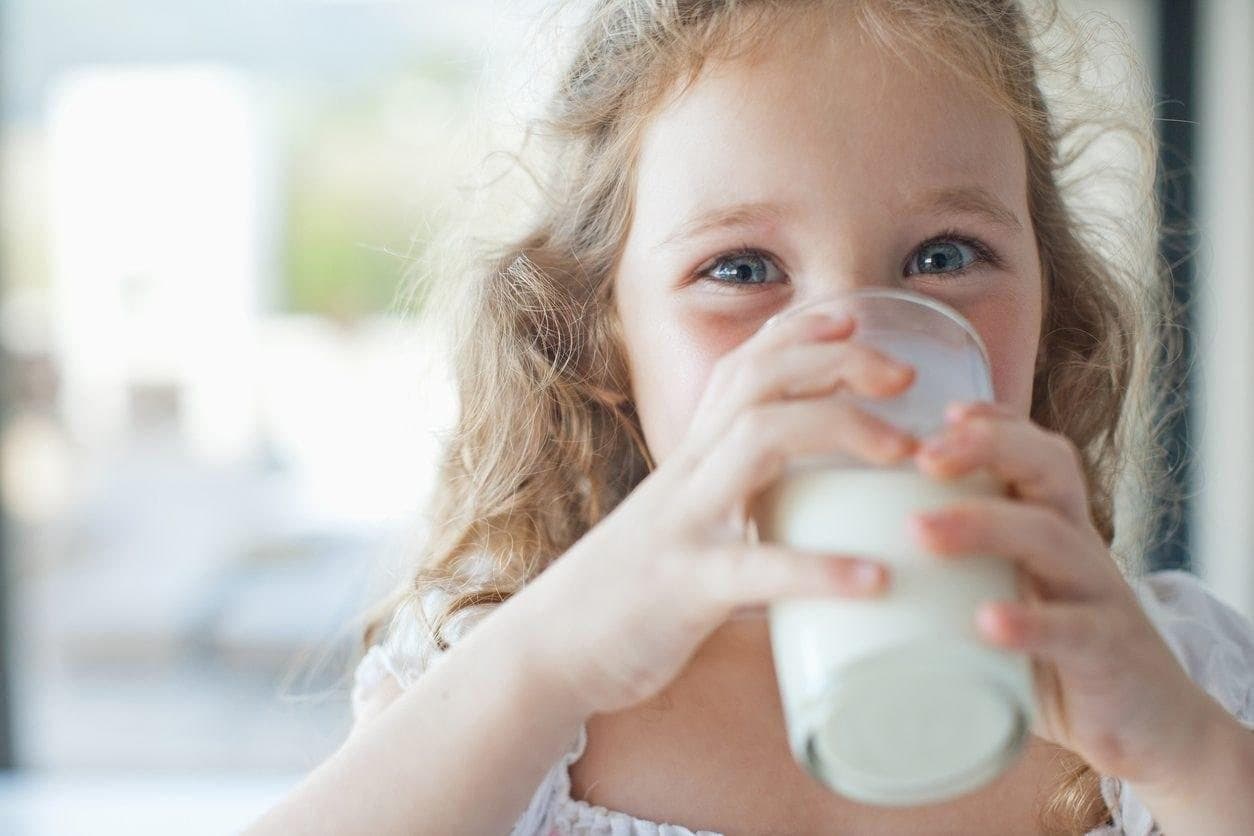
Comparison of nutritive analysis of various milk products
There are variety of milk products in the market such as yogurt, curd, condensed milk (khoa), buttermilk, cottage cheese, cream which affect the gut differently during the course of their digestion. However, the bioavailability of nutrients from these products varies due to the way of their processing.
The milk product which is most tolerable and has the least chance of causing any GI discomfort is curd and buttermilk since they contain hydrolysed proteins and lactose.
| Per 100 gms | Whole Milk (Cow’s) | Curd | Cottage Cheese (paneer) | Condensed Milk (from Buffalo milk) | Buttermilk | Cream |
|---|---|---|---|---|---|---|
| Energy (kcals) | 72 | 60 | 257 | 421 | 15 | 333 |
| Proteins (gms) | 3.2 | 3.1 | 18.86 | 14.6 | 0.8 | 3.33 |
| Fats (gms) | 4.4 | 4 | 14.78 | 31.2 | 1.1 | 36.67 |
| Calcium (mgs) | 118 | 149 | 476 | 650 | 30 | 667 |
| Vitamin D (mcg) | 1.2 | ~ | 0.13 | ~ | ~ | ~ |
| Vitamin A (mcg) | 2.28 | 5.1 | 0.73 | ~ | ~ | 600 |
| Vitamin B12 (mcg) | 0.14 | 0.13 | ~ | ~ | ~ | ~ |
The nutritional implications of excluding milk and milk products in the diet
Cutting out milk and milk products from the diet can lead to missing out on essential nutrients required for the healthy development of infants and children. The phase of infancy and childhood are periods of rapid growth wherein it becomes quite necessary to provide maximum nutrients through the diet. Along with providing high biological value proteins, milk and milk products also provide essential vitamins and minerals such as riboflavin, calcium, vitamin D, vitamin B12, vitamin A, niacin to name a few.
High biological value proteins are essential for muscle and organ development of infants and children whereas calcium and vitamin D are for strong bone and nerve health, vitamin A and riboflavin for good eye health, niacin and vitamin B12 for good gut health (4). There are several microminerals such as iodine and phosphorus which are essential for endocrine and bone development respectively also found in milk.
Healthier substitutes from other food groups
It becomes necessary to include a variety of foods from other food groups in the child’s diet which shall take care of meeting the above mentioned nutrients for the child’s development, if planning to exclude milk from the diet.
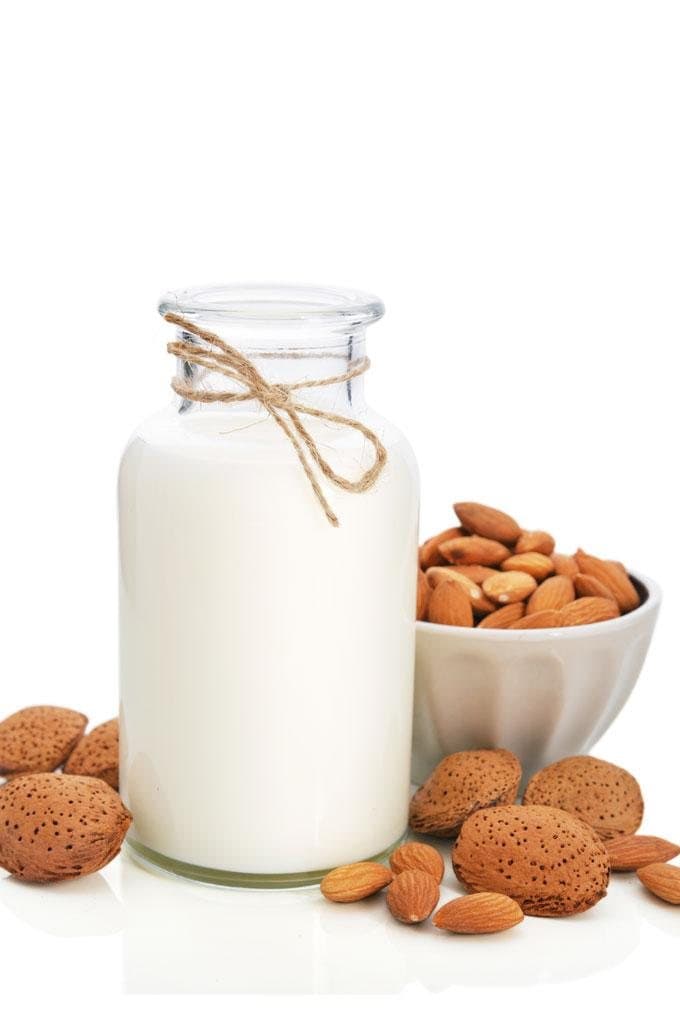
Including nut butter and milk in the child’s diet helps in supplementing most of the above nutrients. There are variety of nut milk available in the market such as coconut milk, oats milk, almond milk, soya milk, cashew milk. These nut milks can be added in the diet through smoothies, fruit shakes, porridges, desserts, veg soups. For infants, it shall be effective and safe to begin with including coconut milk in the diet, since they may face intolerance with almond or soya milk due to their underdeveloped gut system. These variety of nut milk provides most of the above mentioned nutrients. Following is a table mentioning the nutrients available in each of the nuts milk available in the market :
| Per 100 gms | Cow’s Milk | Almond Milk | Coconut Milk | Soya Milk | Oats Milk (Pacific Foods Oats milk) |
|---|---|---|---|---|---|
| Energy (Kcals) | 61 | 15 | 230 | 43 | 54 |
| Proteins (gms) | 3.1 | 0.5 | 2.2 | 2.6 | 1.6 |
| Fat (gms) | 3.2 | 1.1 | 23.8 | 1.4 | 0.8 |
| Calcium (mgs) | 113 | 197 | 16 | 123 | 50 |
| Vitamin A (mcg) | 46 | 43 | 0.0 | 55 | ~ |
| Vitamin D (mcg) | 1.3 | 1 | 0.0 | 1.1 | 0.8 |
| Riboflavin (mgs) | 0.16 | 0.04 | 0.0 | 0.18 | ~ |
| Niacin (mgs) | 0.08 | 0.07 | 0.76 | 0.42 | ~ |
| Vitamin B12 (mcg) | 0.45 | 0.63 | 0.0 | 0.85 | ~ |
Apart from nut milk, bean and legume sprouts and fermented drinks also can be included in the child’s diet to supplement vitamin B12 aging between 5-10 years. For infants, plain buttermilk can be added in porridges, gruels, soups for including vitamin B12.
Concluding remarks
The liberty of including or excluding milk and milk products from the child’s diet rests on the discretion of parents, guardians. However, it is wise to consider all the concomitant factors (affordability, child’s preference, preparation) surrounding the availability of A2 milk and other alternative food substitutes before incorporating any of them in the child’s diet.
References :
- https://www.researchgate.net/publication/292943630_Milk_Adulteration_and_Detection_A_Review
- https://www.thehindu.com/news/cities/mumbai/79-milk-in-state-is-adulterated-study/article30976549.ece
- https://www.authoritydiet.com/a1-vs-a2-cows-milk-what-difference-benefits-nutrition/
- https://www.ncbi.nlm.nih.gov/books/NBK541036/
- https://www.ift.org/food-technology-magazine/food-medicine-and-health-a1-a2-milk-and-beta-casomorphins-6e6e29a4-e0d1-4ceb-a4a3-7c0d6082bbda
- https://www.ncbi.nlm.nih.gov/pmc/articles/PMC4818854/
- https://pubmed.ncbi.nlm.nih.gov/28704923/